
Colorado homeowners are facing higher electricity bills as utility companies push for rate increases to cover infrastructure upgrades and rising demand. In November 2025, Xcel Energy requested approval to raise residential electricity rates by nearly 10%, potentially increasing the average household bill by about $10 per month if regulators approve the change.
While utilities argue that these increases are necessary to modernize the grid and ensure reliability, the reality is that many families are already stretched by rising housing, food, and transportation costs. Fortunately, there’s a proven way to reduce exposure to these hikes: investing in residential solar panels.
Why Are Electricity Rates Increasing in Colorado?
Understanding the forces behind rising utility bills helps explain why solar is becoming such a smart investment.
1. Infrastructure and Grid Upgrades
Xcel Energy and other utilities are investing heavily in power line upgrades, wildfire mitigation, and grid reliability projects. These costs are passed directly to customers through rate increases.
2. Higher Energy Demand
Colorado’s population growth, electric vehicle adoption, and electrification of heating systems are driving demand higher, putting strain on the grid.
3. Time-of-Use (TOU) Pricing
Many Colorado households are now billed under Time-of-Use rates, where electricity costs more during peak evening hours (typically 5–9 p.m. on weekdays). This makes monthly bills less predictable and often more expensive for working families.
Together, these factors mean electricity costs are likely to continue rising for years to come.
How Solar Panels Reduce the Impact of Rate Hikes
Generate Your Own Electricity
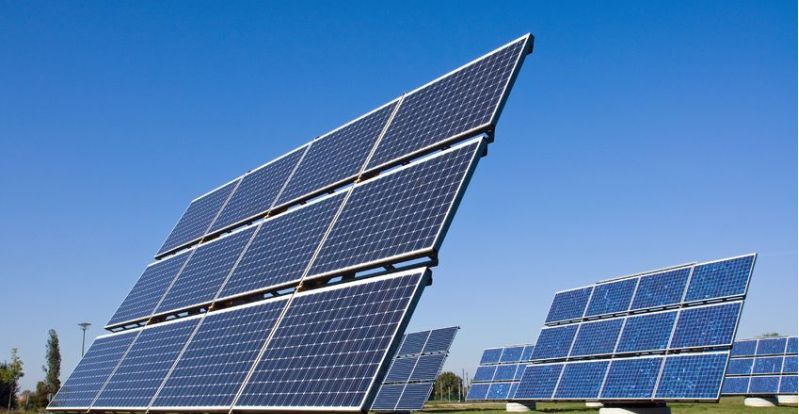
When you install solar panels on your home, you produce clean energy directly from the sun. That means you buy less electricity from the utility — and when rates go up, your exposure stays low.
In sunny states like Colorado, solar panels can cover a large portion of a household’s annual energy use, especially during spring and summer months.
Stabilize Your Monthly Energy Costs
Unlike utility rates, which can increase every year, solar panels lock in your energy costs for decades. Once your system is installed, your “fuel” — sunlight — is free.
Many homeowners find that their solar loan or financing payment is lower than their previous electric bill, creating immediate savings while protecting against future increases.
 Solar + Battery Storage: Even More Savings
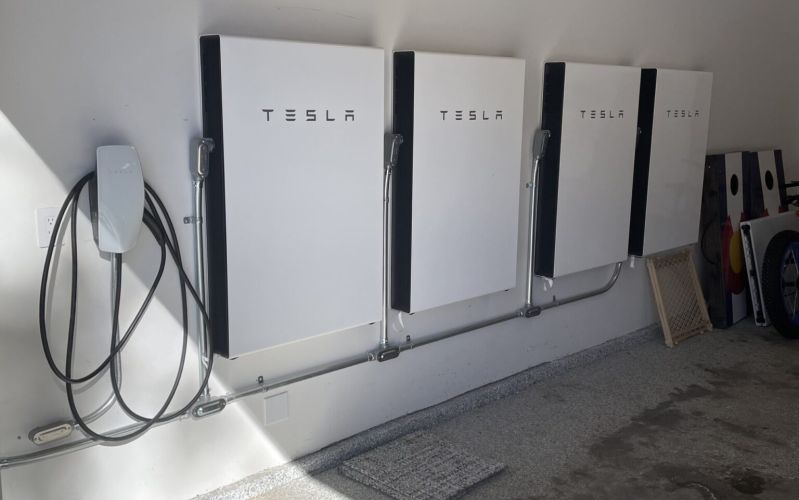
One challenge with Time-of-Use pricing is that peak electricity rates happen in the evening — after solar production drops. That’s where solar battery storage makes a huge difference.
With a home battery system, excess solar energy produced during the day is stored and used at night when grid electricity is most expensive. This allows homeowners to:
- Avoid peak utility rates
- Maximize solar self-consumption
- Reduce reliance on the grid
- Maintain power during outages
For Colorado homeowners on TOU plans, solar paired with battery storage offers the strongest protection against rising electricity costs.
Long-Term Financial Benefits of Home Solar
Strong Return on Investment
Most residential solar systems in Colorado pay for themselves within 7–12 years, depending on system size, energy usage, and incentives. After that, the electricity your system produces is essentially free.
Considering solar panels often last 25–30 years or more, that can mean decades of reduced or near-zero electricity bills.
Increased Home Value
Homes with solar panels typically sell for more than comparable homes without them. Buyers value lower energy bills and energy independence, especially as electricity costs continue to rise.
Colorado Solar Incentives Make It More Affordable
Colorado homeowners may qualify for several incentives that lower upfront costs, including:
- Utility rebates for solar and battery installations
- Local and regional clean energy programs
- Performance-based incentives (availability varies by location)
Because many incentive programs have limited funding, planning early is key to maximizing savings.
(Internal linking opportunity: “Learn more about Colorado solar incentives”)
Energy Independence in an Uncertain Future
Installing solar panels isn’t just about saving money — it’s about control. As utilities request larger rate increases and electricity demand grows, solar gives homeowners:
- Predictable energy costs
- Protection from future rate hikes
- Reduced carbon footprint
- Greater resilience during outages
Rather than feeling locked into an increasingly expensive grid, solar allows you to take charge of your energy future.
Solar Is a Smart Response to Rising Energy Rates
With Colorado electricity rates on the rise and more increases likely, relying solely on utility power is becoming riskier for homeowners. Solar panels — especially when paired with battery storage — provide a powerful hedge against rising costs while delivering long-term financial and environmental benefits.
For Colorado families looking to lower monthly bills, increase home value, and gain energy independence, now is the time to consider solar.