
Energy costs are a major expense for farms and agricultural businesses across Colorado. From irrigation pumps and cold storage to barns, shops, and processing facilities, reliable electricity is essential—but utility rates continue to rise.
That’s where USDA REAP grants come in. At Golden Solar, we help Colorado agricultural producers use the Rural Energy for America Program (REAP) to dramatically reduce the cost of installing solar energy systems and other renewable upgrades.
What Is a REAP Grant?
The Rural Energy for America Program (REAP) is a federal program administered by the USDA that provides grants and loan guarantees to help agricultural producers and rural small businesses invest in renewable energy and energy efficiency projects. For solar projects, REAP grants can cover:
- Up to 50% of eligible project costs (grant portion)
- Remaining costs can often be financed or combined with tax incentives
- Projects can include solar PV, battery storage, and related electrical work
This makes REAP one of the most valuable incentives available for agricultural solar in Colorado.
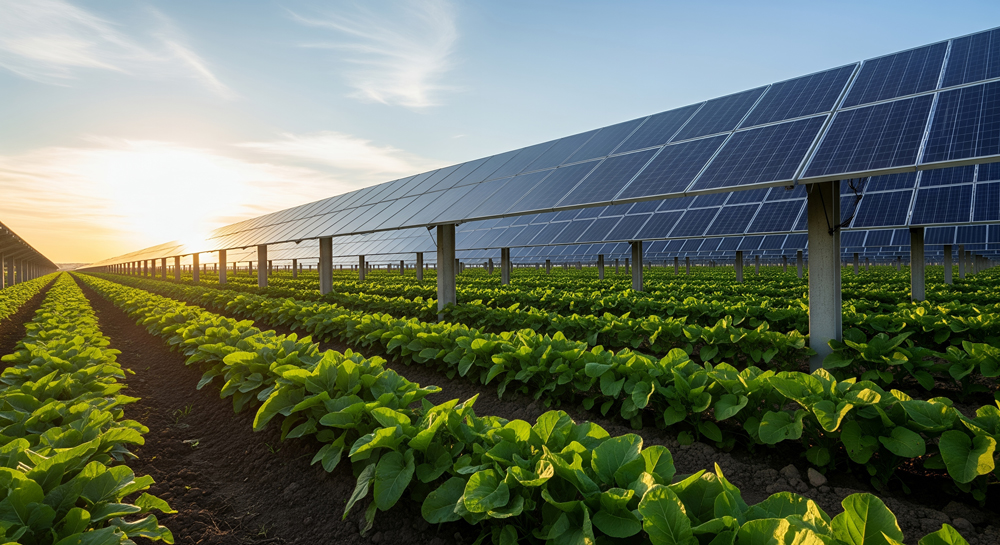
Who Qualifies for REAP Grants in Colorado?
REAP grants are available to:
- Farmers and ranchers (with documented agricultural income)
- Agricultural operations, including dairies, feedlots, and greenhouses
- Rural small businesses located in eligible areas
Eligible projects include solar installations on:
- Barns and outbuildings
- Irrigation systems
- Processing and storage facilities
- Shops and offices
Golden Solar works with agricultural customers across Colorado to determine eligibility and project fit before moving forward.
How Much Can You Save With REAP + Solar?
REAP grants are powerful on their own—but the real value comes from stacking incentives.
A typical Colorado agricultural solar project may combine:
- USDA REAP grant (up to 50%)
- Federal Investment Tax Credit (ITC)
- Accelerated depreciation (MACRS)
- Utility programs or net metering benefits
When structured correctly, these incentives can reduce the net cost of a solar system by 60–80% or more, significantly improving project payback.
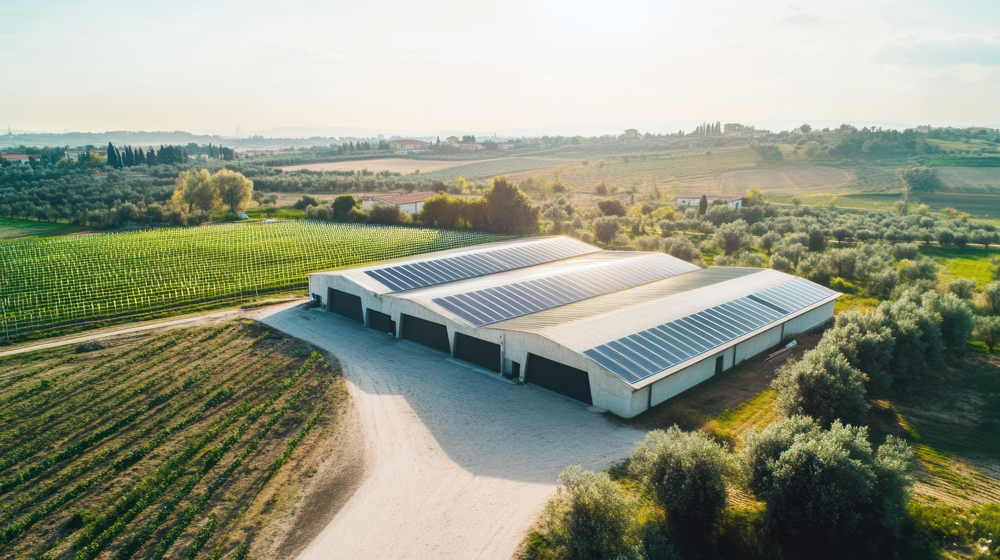 Why Solar Makes Sense for Agricultural Operations
Agricultural energy use often aligns perfectly with solar production. Many farms use the most electricity during daylight hours—when solar panels are generating the most power.
Key benefits of solar for agriculture include:
- Lower and more predictable energy costs
- Reduced exposure to rising utility rates
- Improved long-term operating margins
- Increased property value
- Enhanced sustainability and stewardship
For irrigation-heavy operations, solar can offset some of the most energy-intensive parts of the season.
Timing Matters: REAP Is Competitive
REAP grants are competitive and application-based, with specific funding windows throughout the year. Successful applications require:
- Accurate energy usage data
- A well-designed solar system
- Financial documentation
- Clear project economics
Starting early is critical. Golden Solar partners with experienced grant writers and consultants to help agricultural customers submit strong, compliant applications.
Why Work With Golden Solar?
Agricultural solar projects are different from residential installs. They require a deep understanding of rural electrical infrastructure, utility interconnection rules, USDA program requirements, and seasonal energy use patterns.
As a Colorado-based solar installer, Golden Solar brings local expertise and hands-on support from initial feasibility through installation and commissioning. We don’t just install panels—we help you navigate the incentive landscape to maximize value. If you’re interested in using REAP grants to fund a solar project, Golden Solar is ready to help you explore your options and build a solution that works for your land, your business, and your future.